
Mastering the Google AI Picture Generator in 2026
The landscape of digital creation has shifted. We no longer rely solely on stock photography or manual illustration to visualize ideas. Today, th…
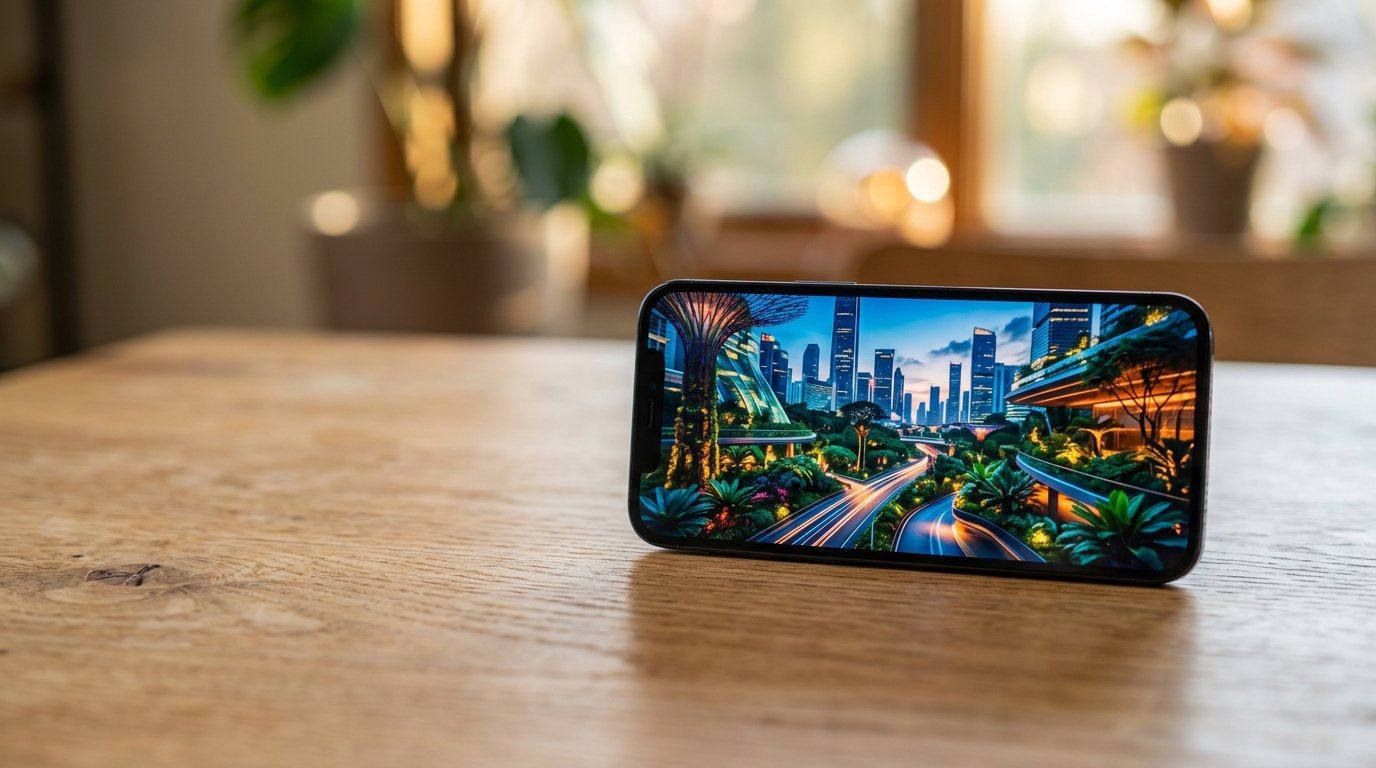
The landscape of digital creation has shifted. We no longer rely solely on stock photography or manual illustration to visualize ideas. Today, the "Google AI picture generator" ecosystem—comprising tools like ImageFX, Gemini, and Workspace integrations—allows anyone to turn text into high-fidelity visuals in seconds.
As search and content creation evolve, understanding how these tools work is essential for staying relevant. In the current search landscape, AI Overviews appear on approximately 13% of search queries, fundamentally changing how users consume information. Google is no longer just a way to find images; it is a way to create them.
The Core Tools: ImageFX and Gemini
Google’s approach to AI image generation is split across different platforms, each tailored to specific user needs. Unlike consolidated competitors, Google offers a modular experience.
1. ImageFX
ImageFX is Google’s dedicated experimental playground for high-end image generation. Powered by the Imagen 3 model, it offers a "prompt-to-image" interface designed for maximum creativity. One of its standout features is the use of "expressive chips," which allow users to quickly swap out keywords in their prompts to see how different styles, lighting, or subjects alter the output.
2. Gemini
For most users, the most accessible Google AI picture generator is Gemini. By simply asking the chatbot to "generate an image of a futuristic skyline," users can get immediate visual results within a conversation. This integration makes it a direct competitor to OpenAI’s DALL·E 3, focusing on ease of use and conversational refinement.
AI Generation in the Professional Workflow
Beyond experimental labs, Google has embedded image generation directly into the tools businesses use every day. Through Gemini for Workspace, users can generate custom visuals without leaving their documents or presentations.
- Google Slides: The "Help me visualize" feature allows users to create unique backgrounds and assets for decks, reducing the reliance on overused stock imagery.
- Google Docs: AI-generated images can be inserted to break up long blocks of text, providing visual context for reports and proposals.
This integration is part of a broader shift toward "zero-click" utility. Industry data suggests that over 80% of searches now end without a traditional click, as users find their answers—or generate their assets—directly within the platform's interface.
Responsible AI and Digital Watermarking
As generative AI becomes more prevalent, the risk of misinformation grows. Google has anchored its generation tools in its Responsible AI Principles, emphasizing safety and transparency.
To ensure authenticity, Google utilizes SynthID, a tool developed by Google DeepMind that embeds a digital watermark into the pixels of AI-generated images. This watermark is invisible to the human eye but remains detectable even after the image has been cropped or compressed. This distinguishes Google’s offerings from more "open" models, prioritizing a verifiable digital ecosystem.
How to Get the Best Results
To master the Google AI picture generator, you must master the prompt. While the models are intuitive, professional-grade results require specific inputs:
- Define the Style: Don't just ask for a "dog." Ask for a "3D render of a golden retriever in a Pixar-style animation."
- Control the Lighting: Specify "golden hour lighting," "cinematic neon," or "soft studio glow" to set the mood.
- Use Negative Constraints: Specify what you don't want to see, such as "no blurry backgrounds" or "no text," to refine the final output.
The Future of Search and Citations
For creators and brands, the rise of these tools changes how content is discovered. In the era of Generative Engine Optimization (GEO), it is no longer enough to rank for keywords; you must be the source that AI models reference.
Keeping content cite-able and knowing whether AI actually surfaces your brand is the real work—Terradium writes for that and then tracks where you show up across ChatGPT, Perplexity, AI Overviews, and Gemini. For $29/month, the platform helps you prove your AI visibility and attribute the visitors that generative engines send your way.
Conclusion
The Google AI picture generator suite represents a fundamental change in how we interact with the web. By moving from search to synthesis, Google has provided a powerful set of tools for both casual creators and enterprise teams. As these models become more integrated into our daily workflows, the focus will shift from how to generate images to how to use them responsibly and strategically. Whether you are using ImageFX for artistic exploration or Gemini for a quick presentation slide, the ability to visualize ideas instantly is now a foundational skill in the digital age.
Want help shipping something like this?
The studio embeds with one client per vertical at a time. We select which clients to onboard.