Keep the standing desk margin
Kanata sells the best standing desks in Indonesia. Marketplace commission eats furniture margin in a hurry. We are building the own-store path that keeps that margin and grows revenue off Tokopedia, Shopee, TikTok Shop, and WhatsApp.
- Client
- Kanata Indonesia
- Year
- Services
- Own-store commerce, Operations path, Marketplace order pipeline, Content engine
Overview
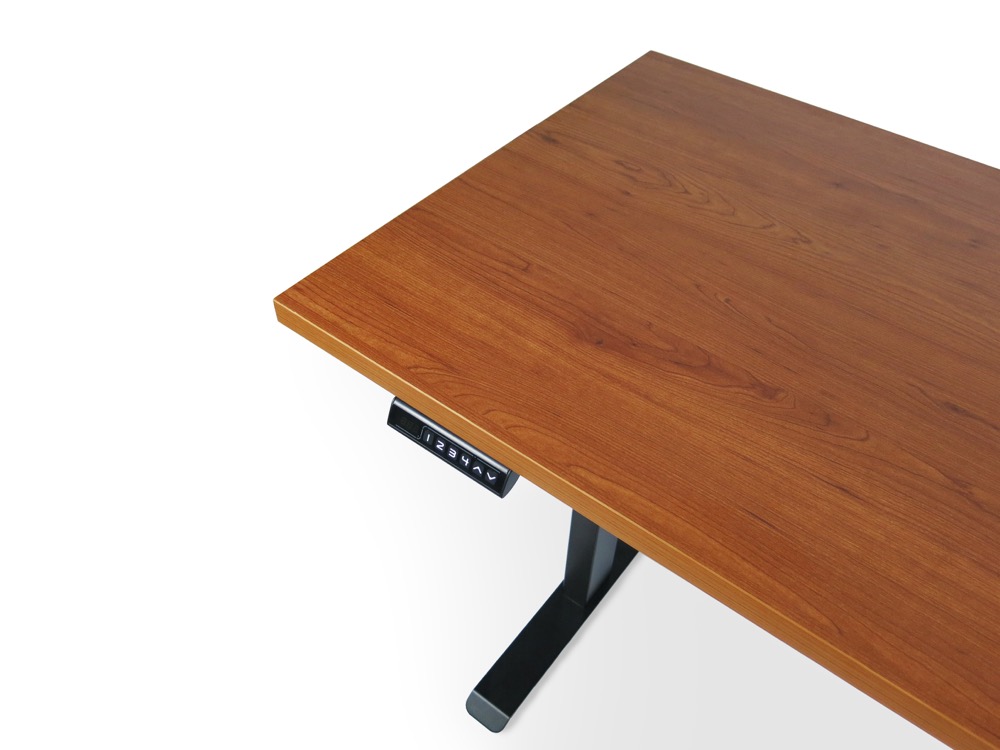
Kanata Indonesia makes premium ergonomic office furniture and electric standing desks, built in Indonesia. They sell the best standing desks in the country. They have a real product, a showroom in Meruya Utara, and a growing audience.
What they did not have was a store of their own, or a way to keep the margin a desk is supposed to make.
A standing desk is not a snack. The unit price is high enough that marketplace commission takes a real bite, and it takes it on every order. For years that was the whole business. Tokopedia, Shopee, TikTok Shop, WhatsApp. Every purchase happened on someone else's platform, on someone else's fee schedule.
There is a line in their codebase that states the problem better than we could:
/** Off-site conversion channels — Kanata does not sell on-site. */
export const channels = {
  tokopedia: '…',
  shopee: '…',
  tiktok: '…',
  whatsapp: '…',
}
The site was a brochure. It handed the customer to a platform at the moment of the transaction. That is a fine way to start selling furniture in Indonesia. It is a poor way to keep the money.
Our job is the own-store path. A checkout Kanata owns, operations that can grow revenue off-marketplace, and enough of the back office that marketplace sales stay visible while that shift happens. Built from the inside.
What We Run for Kanata
The storefront is not live yet. What is running is the ops path a real store needs, and the pipes that keep marketplace sales in view while that store comes up.
Marketplace orders, in one place. An import pipeline pulls orders from the marketplaces into one operations view in near real time. They still sell on the platforms. They should. The difference is the business is no longer four partial pictures.
Infrastructure that can carry a store. The old site ran on shared hosting. There was no central database. Order data lived in as many places as there were marketplaces, in whatever shape each platform chose to expose. We moved them onto AWS with a managed PostgreSQL instance, daily backups, and point-in-time recovery. The account is registered to Kanata. We hold admin. That is how the ops path stays theirs, not a landlord's.
A way to ask the business questions. A read-only, token-scoped connection sits on top, so Kanata can query its own orders in plain language from its own AI tools. Not a dashboard we built and they have to learn.
Content and continuity. A content engine publishing to the site, and a shared knowledge base so what we learn about the business stays written down on both sides.
- Own-Store Path
- Off-Marketplace Revenue
- Marketplace Pipeline
- Owned Infrastructure
The store stays theirs
Most agencies will tell you that you own the work. Fewer will write down what happens when the relationship goes wrong, which is the only moment the claim is worth anything.
Kanata's agreement says the AWS account and the PostgreSQL instance are registered in their name. It says their access to that account, that infrastructure, their site and their data cannot be suspended over a billing dispute. It says their storefront and checkout are never taken down for non-payment, at all. Only internal tooling can be paused, and only after an invoice is two weeks overdue.
That is a strange thing for a vendor to sign. It is a straightforward thing for an embedded team to sign, because we are not holding the store hostage as a collection strategy.
- Initial engagement term
- 2 years
- Embedded per week, min. 2 people
- 14 hrs
- Managed Postgres, in their account
- v16
- Point-in-time recovery
- ≥7 days
Conclusion
The shape of the argument is already settled. Marketplaces are a good way to start selling standing desks in Indonesia. Keep selling there. Just stop letting the commission be the largest line on a premium product.
Kanata is the first client on this path: an owned store, an ops layer that can see every marketplace order, a database and a cloud account with their name on them. The work is in progress and the storefront is not live yet.
Scale Smarter, Not Harder.
Kanata is featured here under the marketing terms of our agreement with them.